Silence the Scratches: A Practical Guide to Scratching in Walls Pest Control
You are sitting on the couch, trying to watch a show, and then you hear it. A faint scratching, then a more insistent scrabbling, coming from somewhere inside the wall. It is unsettling, and your first instinct might be to ignore it. But that sound is a message you should not ignore. It is a sign that something has moved in, and the longer you wait, the more damage it can do. In my years of working with homeowners and dealing with these exact situations, I have learned that effective scratching in walls pest control starts not with a quick fix, but with understanding what you are up against.
What Is Making That Noise?
The first step is diagnosis. Not every noise means the same thing. A light scratching at dusk often points to a mouse or a rat exploring a new path. Heavier, more deliberate sounds in the middle of the night might suggest a squirrel or even a raccoon that has found its way into your attic or wall cavity. The time of day, the location of the sound, and the weight of the movement all give you clues. I have seen homeowners buy expensive ultrasonic repellers before confirming they had squirrels, only to find the devices did nothing. You need to match your approach to the animal, and that requires a proper pest inspection first.
Once you know the likely culprit, you can move toward a plan. This is where professional-grade scratching in walls pest control really comes into its own. It is not about one single trick; it is about a system that identifies how the animal got in, removes it safely, and then seals the building so nothing else gets in.
Integrated Pest Management for Rodents
The most reliable approach is integrated pest management. This is not a buzzword; it is a practical framework that combines prevention, monitoring, and targeted removal. For rodents in walls, the first step is always exclusion. You want to make your home a fortress. That means walking the perimeter of your house and looking for any gap larger than a quarter-inch. A mouse can squeeze through a hole the size of a dime. A rat can get through a space the size of a half-dollar. Common entry points include gaps around pipes, holes where wires enter the house, and spaces under doors.
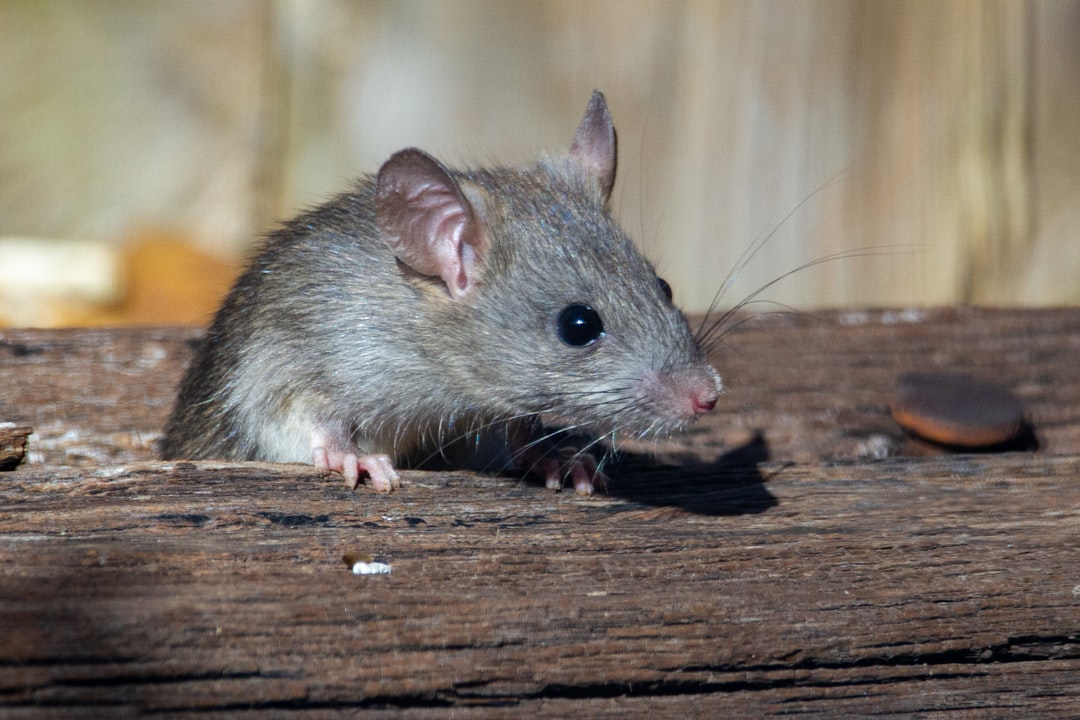
For sealing these gaps, you need materials that rodents cannot chew through. Steel wool is a classic choice for small holes, but it rusts over time and can lose its effectiveness. For a longer-lasting solution, copper mesh is better. It does not rust and it is painful for rodents to chew. You can stuff it into cracks and then cover it with caulk or a high-quality foam sealant. For larger openings around utility lines, you might need a combination of hardware cloth and expanding foam. On doors, install door sweeps and weather stripping to close the gap at the bottom. For attic vents and crawl space openings, use vent covers made of heavy-gauge metal mesh.
Trapping: The Humane and Effective Way
Once you have sealed the exterior, you still have to deal with whatever is already inside. This is where trapping comes in. The goal is to remove the animal without causing unnecessary suffering and without leaving a carcass to decompose in the wall. I have found that a combination of strategies works best. Snap traps are quick and lethal when placed correctly along walls where rodents travel. They are inexpensive and reliable. Live traps can be useful for larger animals like squirrels, but you need to check them often and release the animal far from your home, or it will find its way back.
Bait stations can be part of a larger program, but I am cautious with rodenticides. Poisoning an animal inside a wall carries a real risk: the animal may die in an inaccessible spot, and you will be left with a smell that lasts for weeks. For that reason, many pest control professionals, including the team at Hiwassee Pest Control in Cleveland, TN, prefer trapping and exclusion over baiting whenever possible. If you do use bait stations, place them in tamper-resistant boxes and only inside attics or crawl spaces where children and pets cannot reach them.
One tool that I have seen people ask about is ultrasonic repellers. The idea is appealing: plug in a device and the sound drives rodents away. In practice, results are mixed. The sound does not travel well through solid materials like wood and drywall. Rodents can also get used to the noise over time. I consider them a low-impact addition at best, never a primary solution.
Structural Repairs and Rodent Proofing
After you have removed the animals and sealed the obvious entry points, the real work begins. Rodent proofing your home is an ongoing process. It means checking your roof line for gaps where soffits meet the wall. It means making sure your chimney cap is secure. It means inspecting the foundation for cracks that a mouse could widen. I have seen homes where a single missing piece of siding gave rats a direct path into the wall cavity. That kind of vulnerability requires structural repairs, not just a dab of caulk.
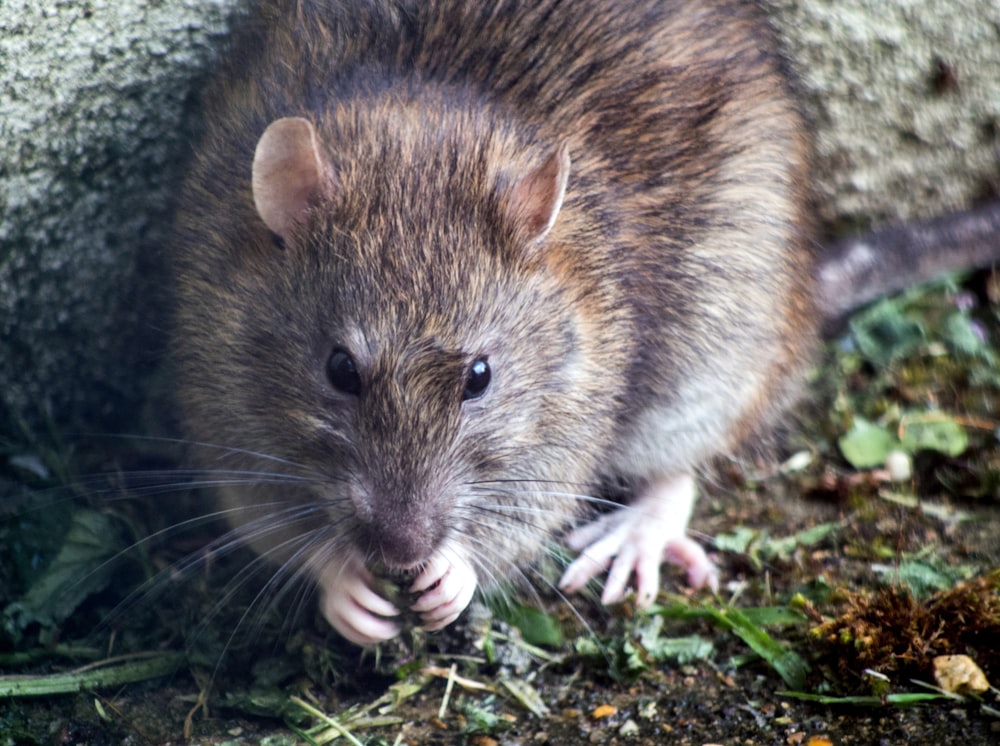
Professional rodent exclusion services are worth considering if you have a persistent problem. Companies like Hiwassee Pest Control specialize in this exact work. They perform a thorough pest inspection, identify every possible entry point, and then execute a plan that combines trapping with permanent sealing. They use materials like copper mesh and foam sealant in ways that are both effective and durable. They also know the local wildlife in Cleveland, TN, which matters because the habits of rats in a rural area can differ from those in a downtown setting.
One thing I always tell homeowners: do not underestimate the value of good maintenance. A clean yard, trimmed bushes, and stored firewood kept away from the house all reduce the habitat that attracts rodents in the first place. Exclusion starts outside, before the animal ever tries to get in.
When to Call a Professional
There are situations where DIY scratching in walls pest control is not enough. If the scratching persists after you have sealed every hole you can find, you may have a colony living in the walls. Removing a whole colony requires experience and the right tools. You might need to use a combination of snap traps and live traps over several days, checking them multiple times a day. If the animal is in a ceiling or a wall cavity you cannot reach, you may need to cut an access hole and install a one-way door so the animal can leave but not return.
Another reason to call a pro is safety. Rodents carry diseases, and their urine and droppings can contaminate insulation and drywall. A professional knows how to handle these hazards and can also advise on whether insulation needs to be replaced after an infestation. They have the equipment to work in tight attic spaces and the knowledge to avoid electrical wires and plumbing.
Prevention Is the Real Solution
At the end of the day, the best pest control is the kind you never notice. You want a home that is so well sealed and maintained that rodents cannot even think about getting in. That means ongoing vigilance. Check your door sweeps every season. Replace worn weather stripping. Make sure your vent covers are still intact. If you live in an area with heavy rainfall, check your foundation for new cracks after storms. A little effort each season saves you from the panic of hearing that scratching sound at midnight.
For homeowners in Cleveland, TN, and the surrounding area, companies like Hiwassee Pest Control offer that peace of mind. They do not just come out and set a few traps. They assess your home, identify the weak points, and fix them permanently. Their focus on structural repairs and exclusion means you solve the problem, not just the symptom.
So the next time you hear scratching in your walls, do not ignore it. Take it as a sign that your home needs attention. With the right combination of inspection, trapping, exclusion, and ongoing maintenance, you can silence those sounds for good. And that is the real goal of scratching in walls pest control: not just to remove a single animal, but to build a home that stays quiet and safe, season after season.